Development Projects > Mechanical Designs
A collection of mechanical designs, components, assemblies, and prototype systems developed using Autodesk Inventor. These projects demonstrate experience in industrial machine design, precision mechanical assemblies, rapid prototyping, and production-oriented engineering, while also highlighting broader technical skills including systematic troubleshooting, problem solving, testing, root-cause analysis, technical documentation, adaptability, and iterative system development.
Many of these projects required working across mechanical, electrical, software, and user-interface elements to identify problems, evaluate solutions, implement design changes, and validate results through hands-on testing. This multidisciplinary development experience reflects an ability to analyze complex systems, learn and adapt to new technologies, and translate technical requirements into practical solutions.
While many of these projects were developed for commercial applications, selected images have been intentionally simplified or cropped to protect proprietary product designs and confidential engineering details.
Automated Packaging Machinery
This section highlights Autodesk Inventor and mechanical design work performed during the development of automated packaging machinery for pharmaceutical applications. The project involved precision mechanical assemblies, custom components, geared and rotating mechanisms, interchangeable tooling, prototype fabrication, and extensive iterative engineering refinement.Beyond mechanical design, the development process required many of the same analytical and technical skills used throughout my IT work: systematic troubleshooting, problem solving, testing, root-cause analysis, adaptability, technical documentation, and translating operational requirements into practical solutions. Prototype development required identifying problems across interconnected mechanical, electrical, software, and user-interface elements; evaluating potential solutions; implementing design changes; and repeatedly testing and refining the resulting system.
The examples below show the progression from CAD design and individual mechanical assemblies through physical prototypes, troubleshooting, testing, operational systems, user training, and final industry demonstrations. Selected CAD views and project materials have been limited to demonstrate engineering and technical problem-solving experience while protecting proprietary product designs and confidential engineering details.
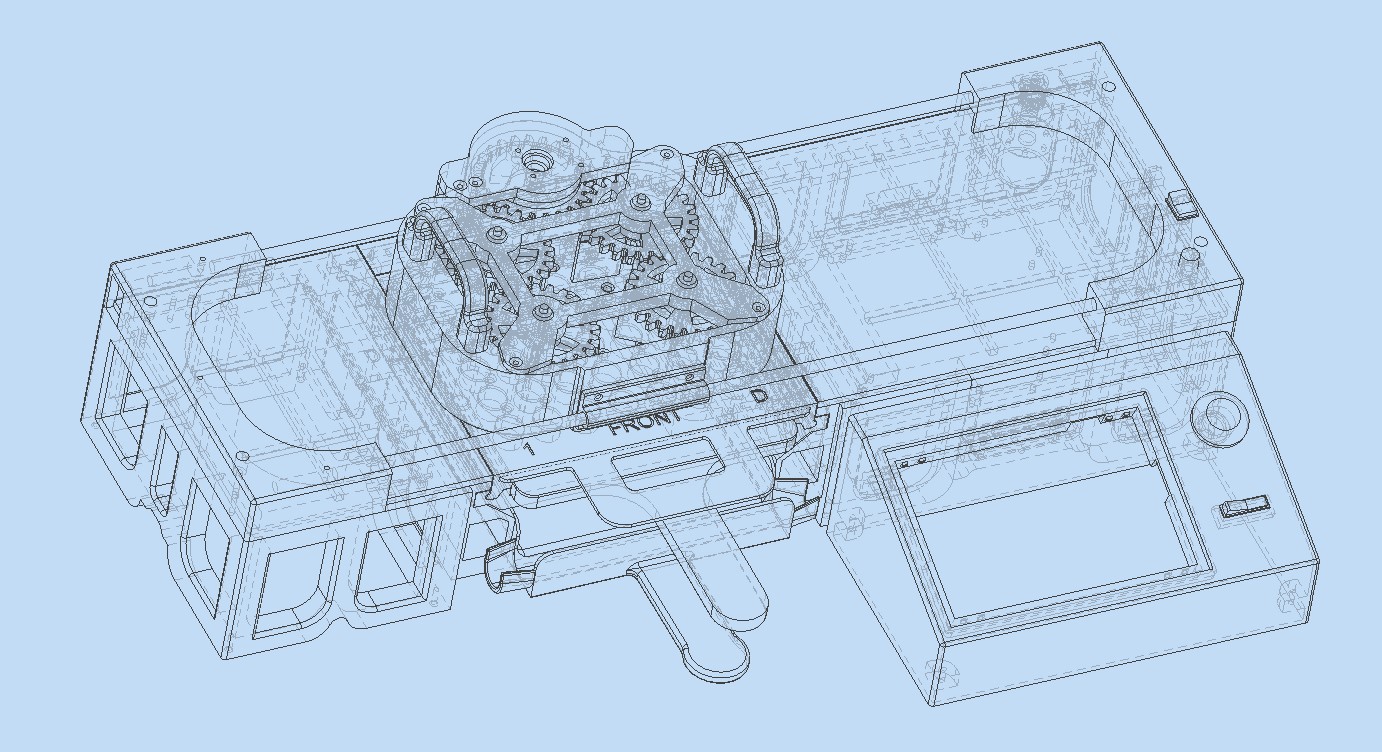 Complete Autodesk Inventor Assembly – Full mechanical assembly model of an automated pharmaceutical packaging system, integrating the machine structure, custom mechanical components, drive mechanisms, product-handling assemblies, and operator interface into a unified design. The assembly was used throughout development to evaluate component fit, mechanical relationships, clearances, and overall system integration prior to and during physical prototyping.
Software: Autodesk Inventor Professional
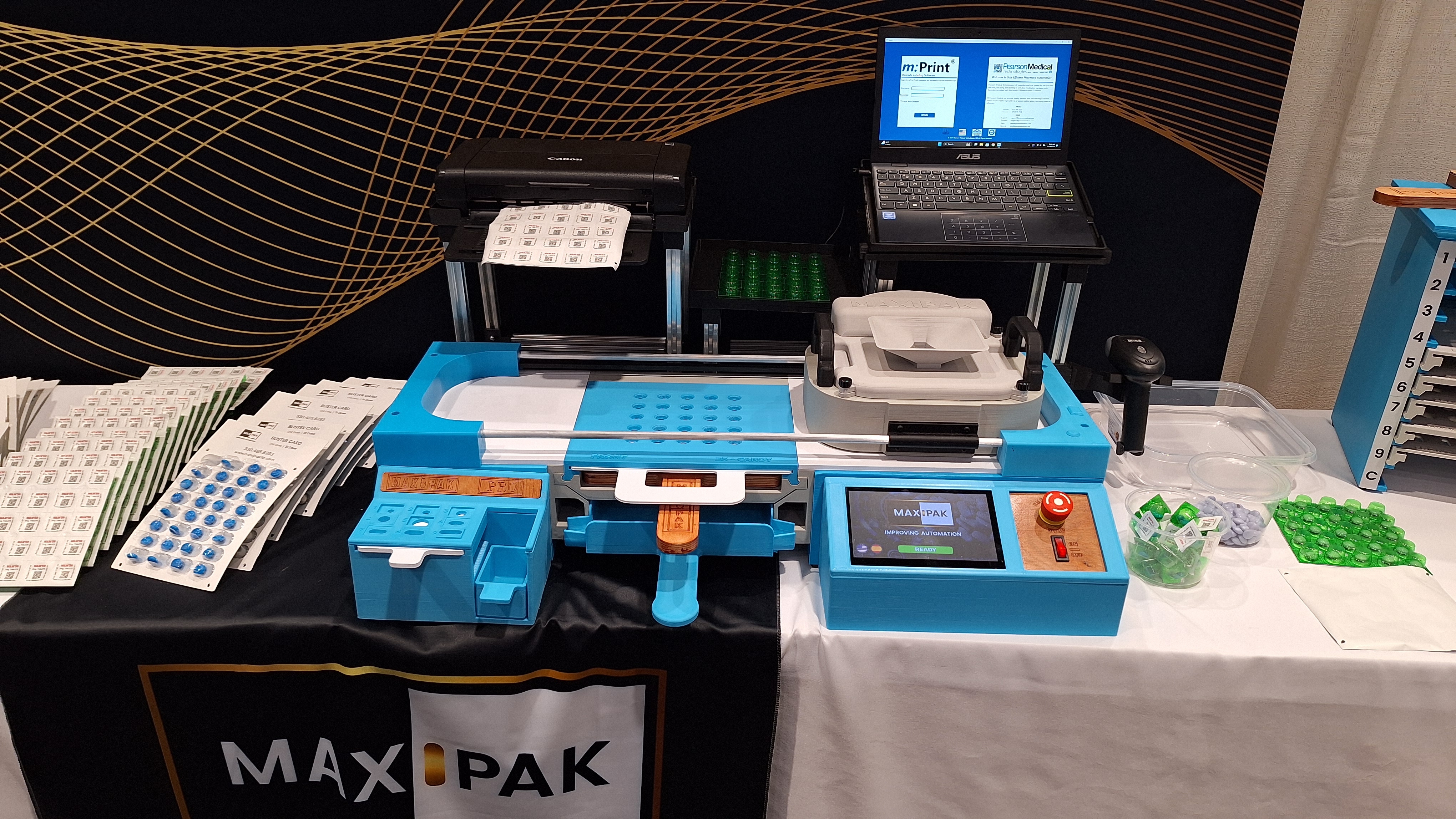 Prototype System at Industry ASHP Expo in New Orleans – Fully functional prototype of the automated pharmaceutical packaging system displayed at an industry trade show. The completed system demonstrates the progression from Autodesk Inventor mechanical design and iterative prototyping through fabrication, assembly, integration, and a working physical product.
Software: Autodesk Inventor Professional
Automated System – Operation & Training – Demonstration of the automated packaging system during final preparation for an industry expo. The video shows the completed prototype operating while I trained a colleague on machine setup, controls, workflow, and operation prior to the exhibition.
Manual System – Expo Demonstration – Demonstration of the manually operated version of the packaging system to colleagues during the industry expo. The video shows the completed prototype in operation and illustrates the mechanical workflow and hands-on operation of the system.
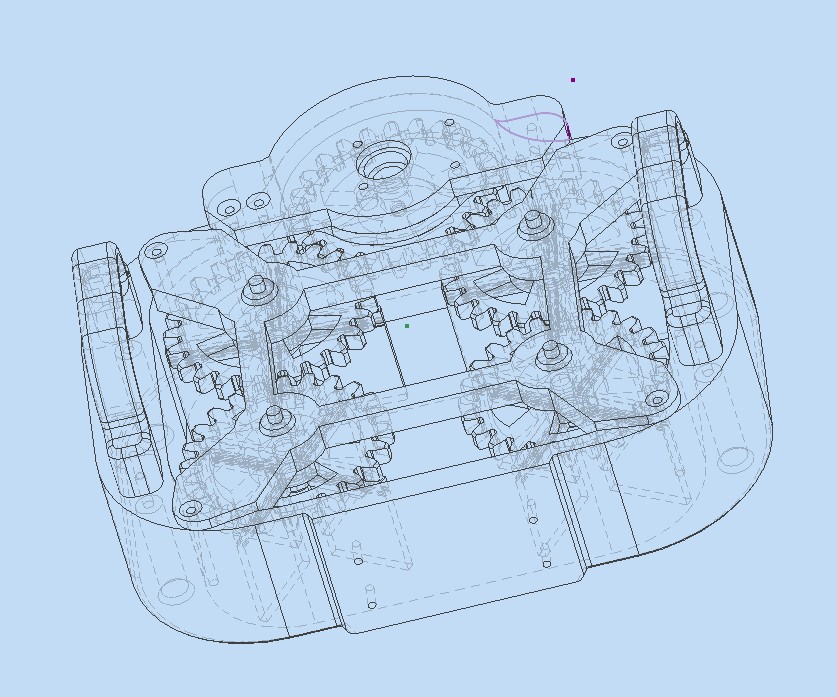 Hopper Assembly – Mechanical Design – Autodesk Inventor assembly view of the hopper mechanism, showing the interconnected gear train, structural components, handles, and supporting hardware. The assembly demonstrates detailed mechanical design, component integration, and development of a multi-part mechanism intended to operate as part of the larger automated packaging system.
Software: Autodesk Inventor Professional
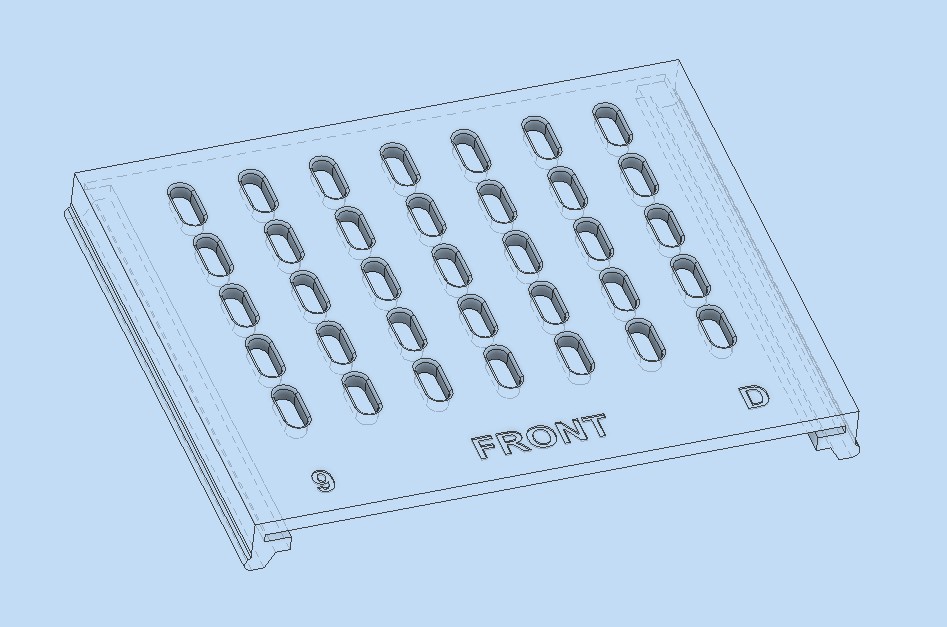 Capsule Template Plate – Autodesk Inventor model of an interchangeable template plate designed for capsule-shaped pills. The precision array of shaped openings controls pill positioning and alignment within the packaging workflow, demonstrating component-level design tailored to specific product geometries.
Software: Autodesk Inventor Professional
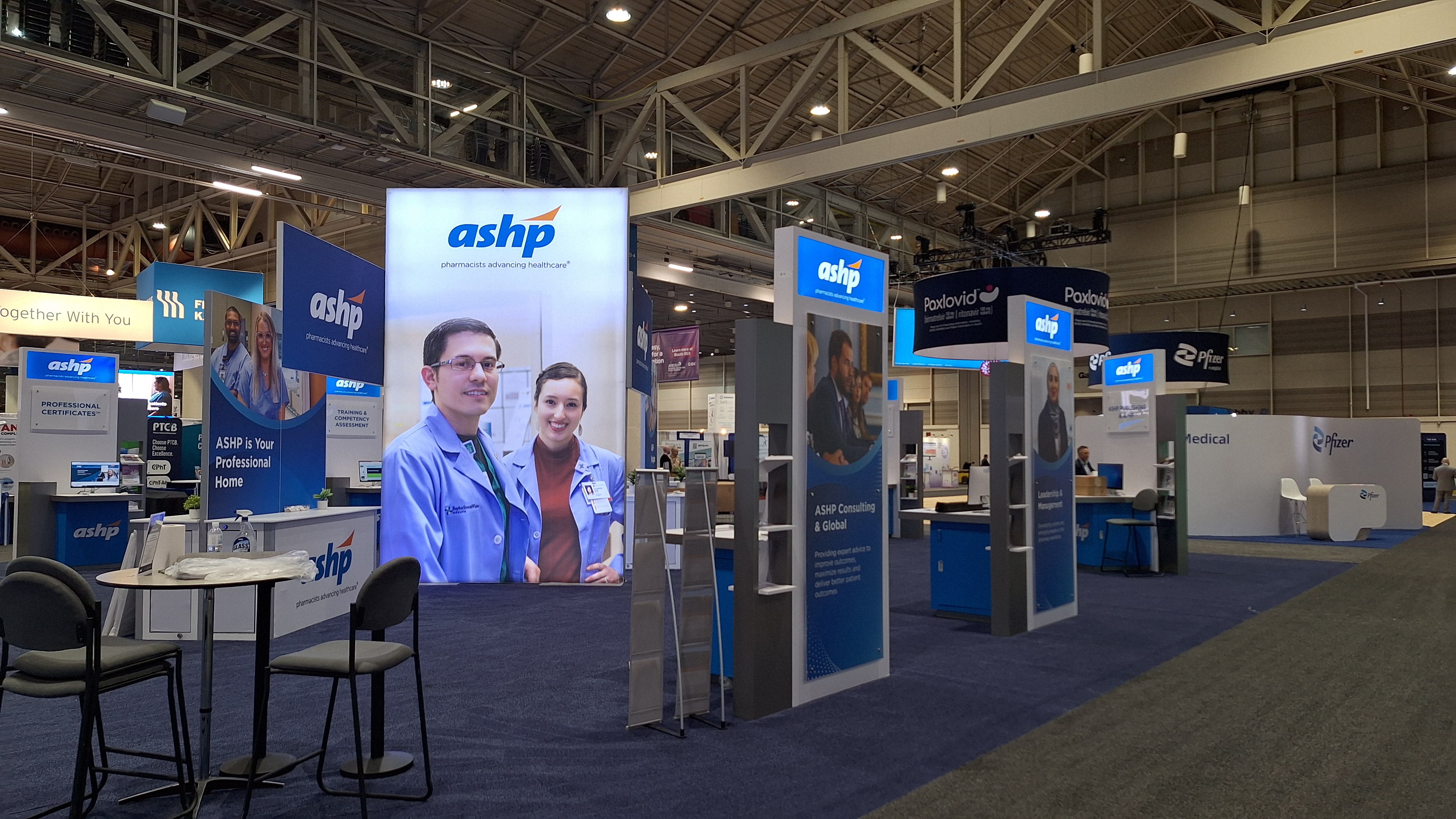 ASHP Industry Expo – The automated packaging system was exhibited at the American Society of Health-System Pharmacists (ASHP) expo, providing an opportunity to demonstrate the working prototype directly within the professional pharmacy and healthcare market for which it was developed.
Software: Autodesk Inventor Professional
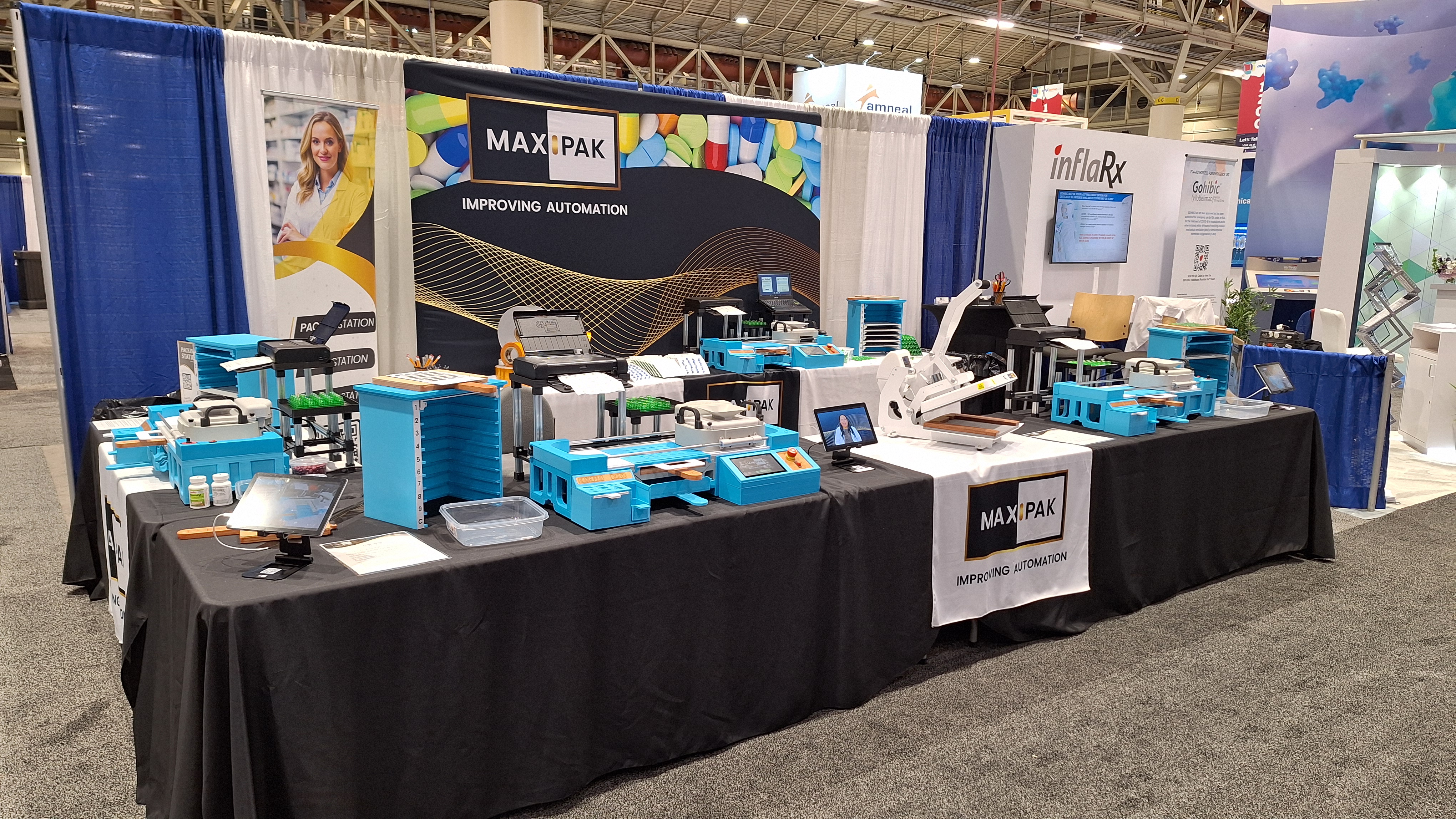 MaxiPak Exhibit – ASHP Expo – The completed MaxiPak exhibit showcasing multiple prototype systems and supporting components developed for pharmacy packaging applications. The booth demonstrates the progression of the engineering work from individual Autodesk Inventor components and assemblies to functional, physical systems presented in an industry setting.
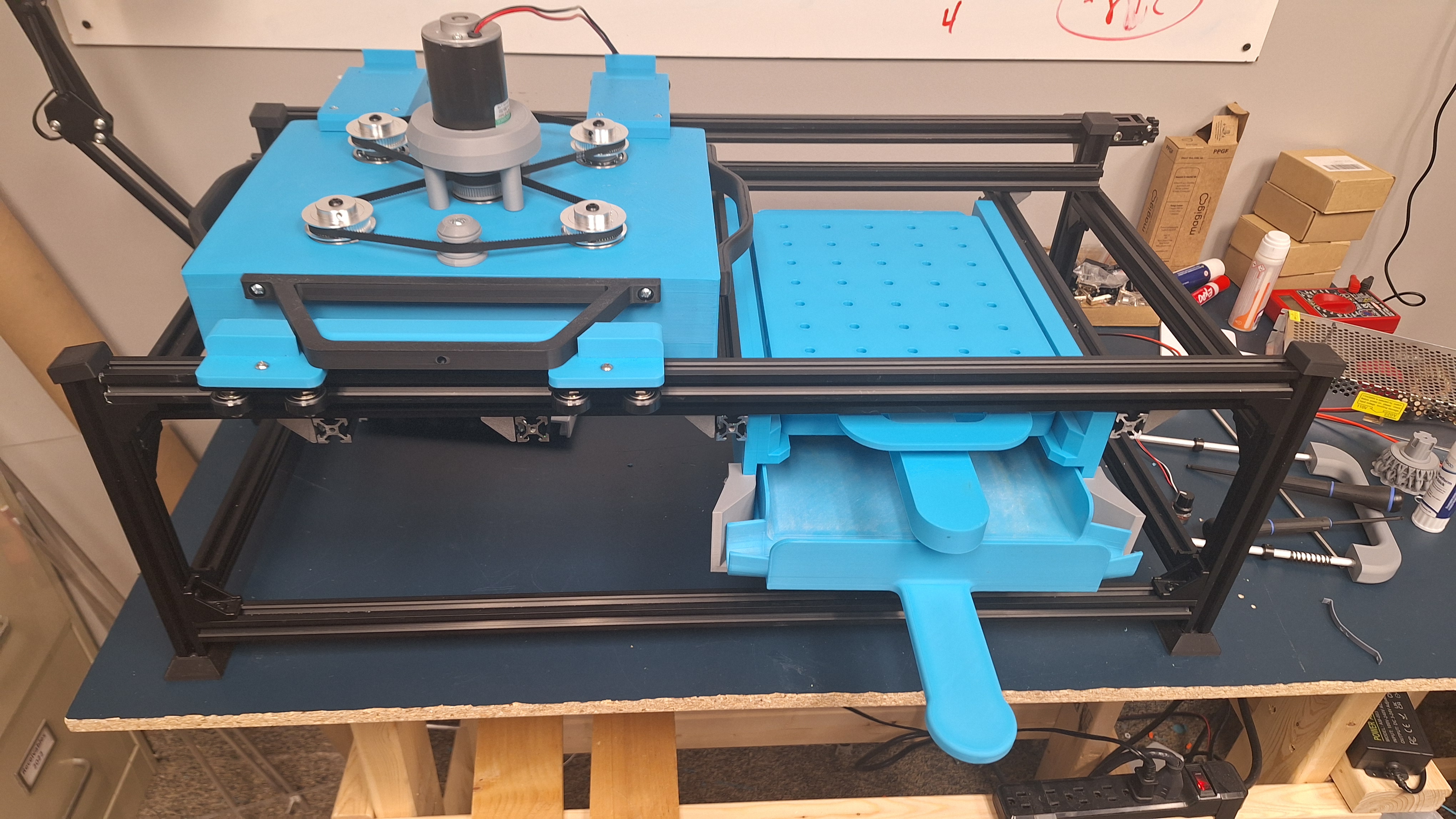 Iterative Prototype Development – Engineering development rarely ends with the first working design. This intermediate prototype reflects continued mechanical refinement of the system, including changes to the drive mechanism, structural framework, component positioning, and material-handling assemblies as the design evolved through repeated build, test, and redesign cycles.
Software: Autodesk Inventor Professional
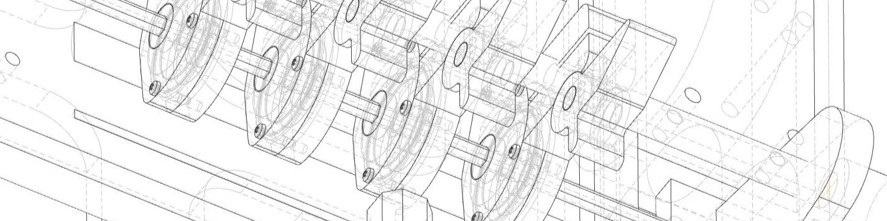 Autodesk Inventor mechanical assembly developed for automated packaging machinery. Render intentionally simplified to illustrate engineering experience while protecting proprietary product and engineering details.
Responsibilities included concept development, mechanical design, 3D modeling, prototype fabrication, engineering documentation, manufacturing support, design refinement, and collaboration throughout the product development lifecycle.
Software: Autodesk Inventor Professional